Program Overview
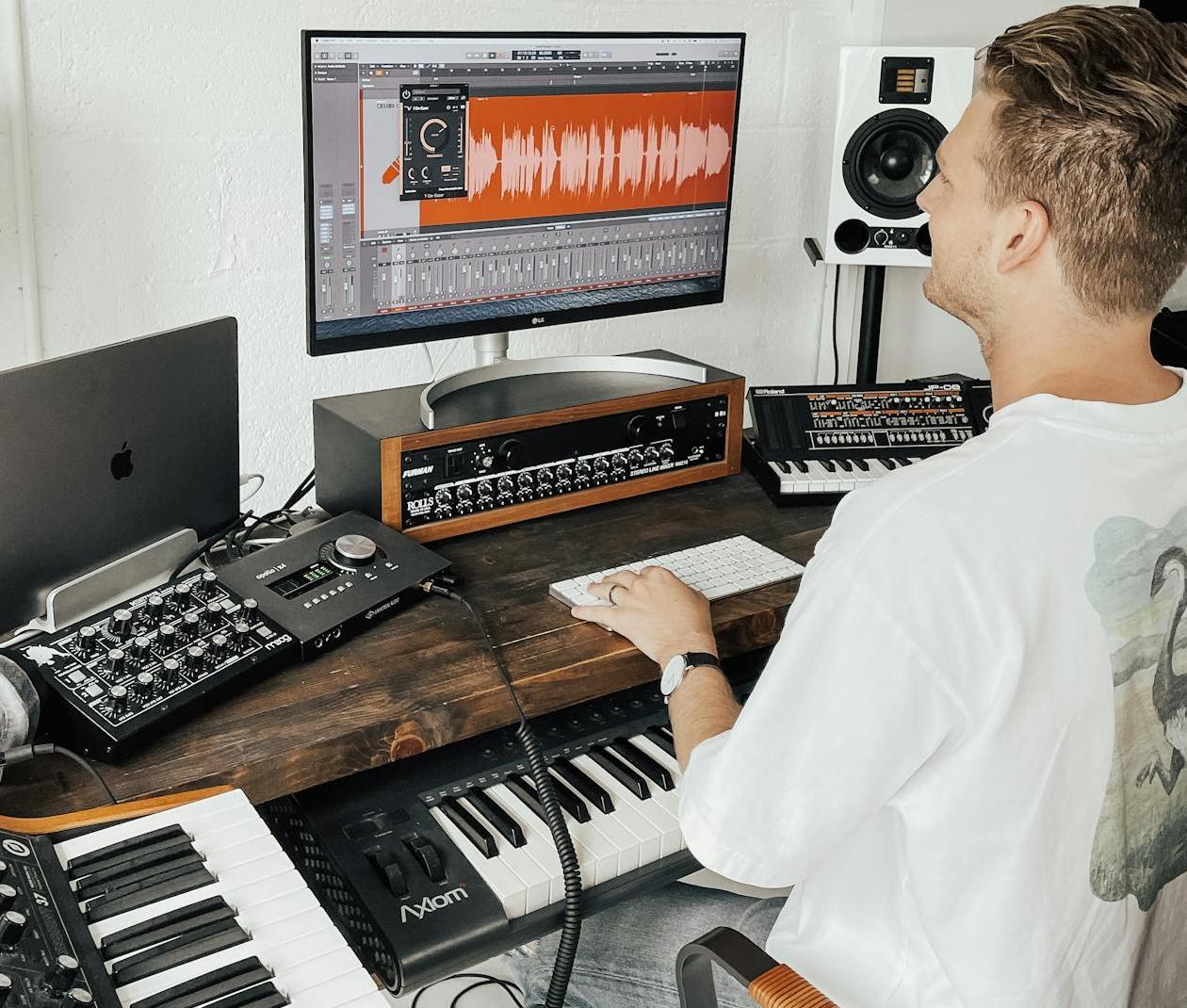
The Television Production degree provides students with the technical skills, creative storytelling abilities, and industry knowledge needed to produce professional television content. This program covers all aspects of television production, from pre-production planning and scriptwriting to filming, editing, and broadcasting. Students gain hands-on experience using industry-standard equipment, working in studios, and collaborating on real-world projects.
Key areas of study typically include:
- Production Techniques – Camera operation, lighting, and sound recording for TV.
- Directing for Television – Learning how to manage a production and guide performances.
- Scriptwriting & Storytelling – Crafting engaging narratives for television shows.
- Editing & Post-Production – Using software like Adobe Premiere Pro and Avid Media Composer.
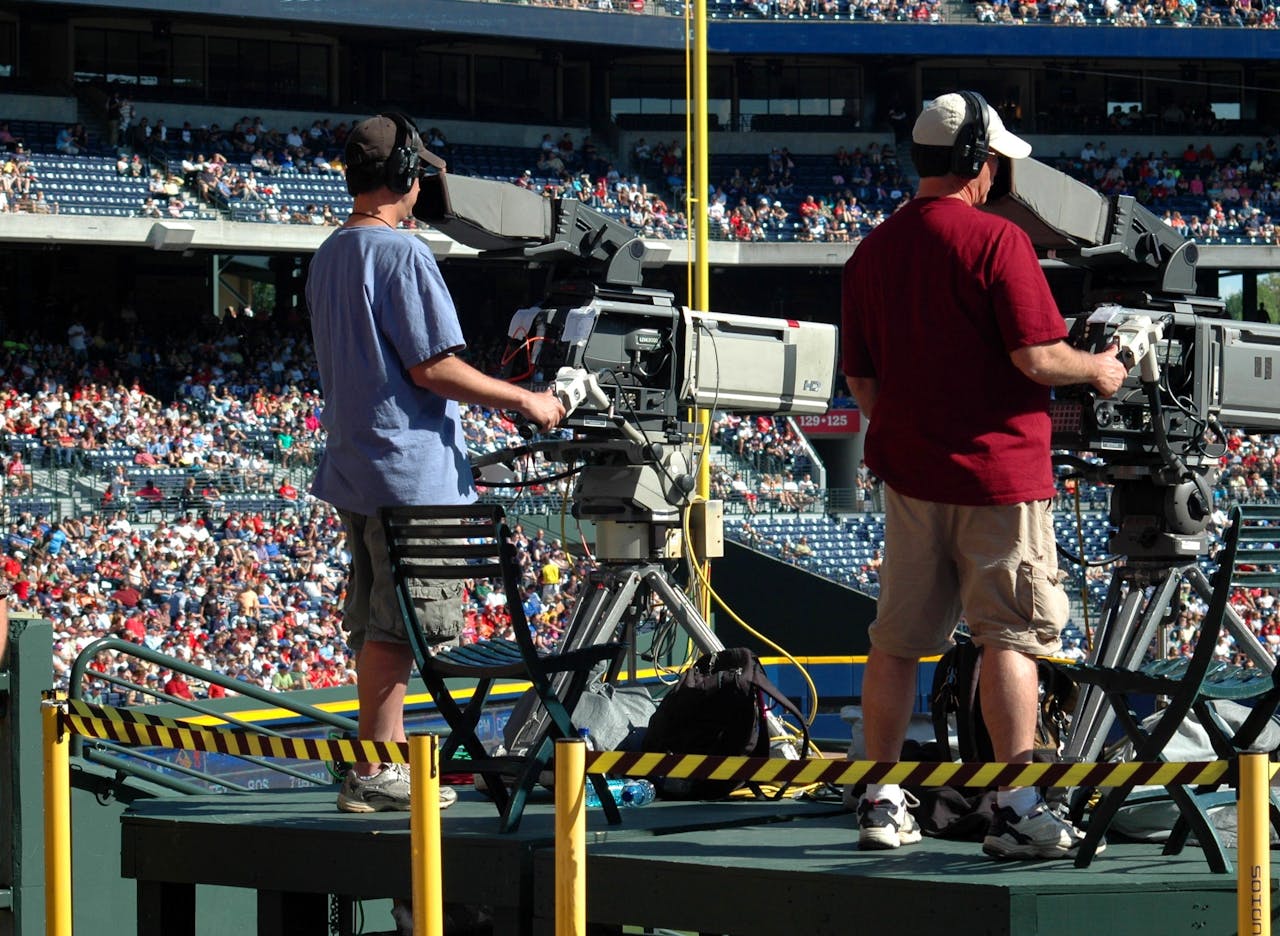
- Live Broadcasting & Studio Operations – Working with multi-camera setups and live TV production.
- Media Law & Ethics – Understanding broadcasting regulations and copyright laws.
- Television Business & Distribution – Exploring how TV content is financed, marketed, and distributed.
Program Code: AR300
Program Type: Undergraduate
Study Mode: Part-time
Accreditation: Bachelor of Arts
Department: Department of Art, Department of Engineering
School: School of Arts & Sciences
Program Location: Los Angeles, New York
Program Duration: 3 Years
Starting Dates: April 2, 2025
Request InformationCareer Options
Graduates with a Television Production degree can pursue a range of careers in TV, film, and digital media, including:
Production & Directing Roles
- TV Producer – Overseeing the creative and logistical aspects of television production.
- Director – Leading the artistic vision and execution of TV shows and live broadcasts.
- Assistant Director – Supporting the director in organizing schedules and shot lists.
Technical & Studio Roles
- Camera Operator – Filming scenes in studio and on location.
- Lighting Technician – Designing and operating lighting setups for TV production.
- Sound Designer / Audio Engineer – Managing audio recording and mixing for television.
- Video Editor – Assembling footage and enhancing storytelling through editing.
Writing & Content Development
- Screenwriter / Script Editor – Writing scripts for television dramas, sitcoms, and talk shows.
- Showrunner – Overseeing the creative direction of a TV series.
- Content Creator – Producing digital and online video content for platforms like YouTube, Netflix, or social media.
Broadcast & Journalism Roles
- News Producer / Editor – Managing newsroom operations and producing news segments.
- TV Presenter / Host – Leading interviews, entertainment shows, and news broadcasts.
- Broadcast Journalist – Reporting and presenting news stories for TV networks.
With the rise of streaming services and digital platforms, there are also growing opportunities in online media production, podcasting, and virtual broadcasting.
Entry Requirements
Undergraduate (Bachelor’s Degree in Television Production)
- Educational Qualifications: High school diploma or equivalent.
- Minimum GPA: Varies by institution.
- Portfolio or Showreel (Optional but Recommended): Some universities may ask for a sample of video projects, scripts, or media-related work.
- Personal Statement: Explaining interest in television production and career aspirations.
- Letters of Recommendation: Typically from teachers or mentors.
Postgraduate (Master’s Degree in Television Production or Media Production)
- Bachelor’s Degree: In film, media, communications, or a related field.
- Portfolio or Showreel: A collection of previous work showcasing skills in production, editing, or directing.
- Personal Statement: Outlining career goals and research interests in TV production.
- References: Academic or professional recommendations.
Tuition Fees
Annual Tuition & Other Fees
| Estimated Costs | Resident | Non-resident |
| Annual tuition and mandatory fees* | $9,162 | $28,348 |
| On-campus residence hall room, cable and phone | $6,152 | $6,152 |
| Meal plan (Average) | $3,975 | $3,975 |
| Books and supplies** | $1,130 | $1,130 |
| Local transportation and incidental costs** | $3,162 | $3,162 |
| Total | $23,581 | $42,767 |
Program Faculty

Dr Lila Montgomery
Lecturer lila.montgomery@t4university.edu
Professor Hiroshi Takahashi
Lecturer hiroshi.takahashi@t4university.edu
Dr Jasmine Walker
Lecturer jasmine.walker@t4university.edu
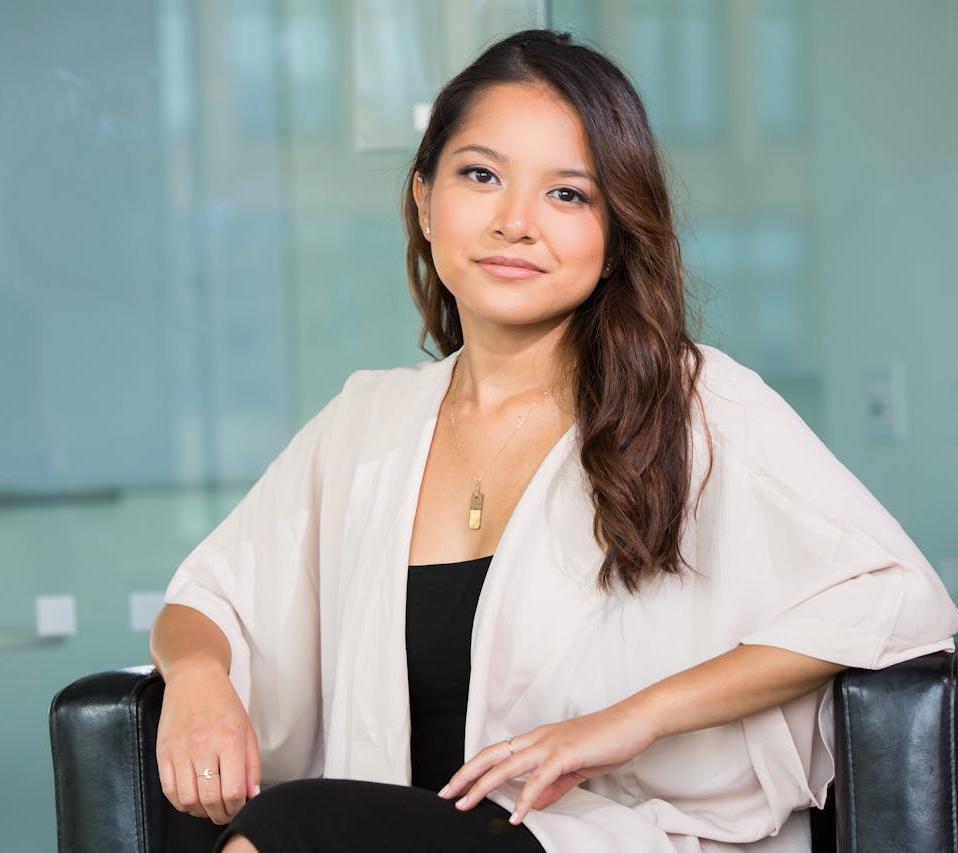
Dr Penelope Ashford
Professor of Computer Science penelope.ashford@t4university.edu
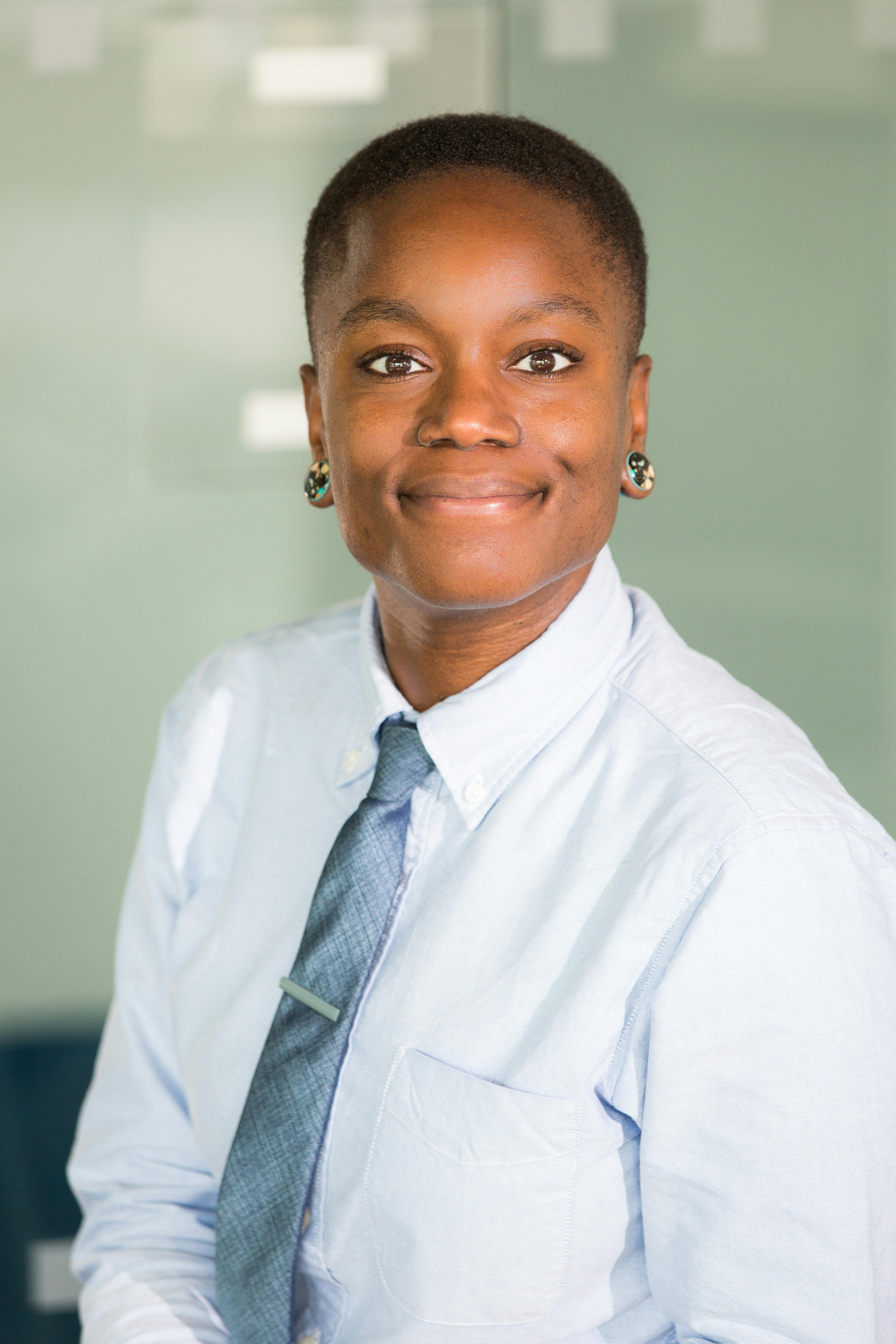
Dr Arabella Kingston
Lecturer arabella.kingston@t4university.edu