Program Overview
The Journalism and Communication degree prepares students for careers in media, public relations, digital content creation, and corporate communication. This program equips students with strong writing, reporting, and storytelling skills while also covering ethical journalism, media law, and emerging digital technologies.
The curriculum typically includes:
- News Reporting & Writing – Learning how to research and craft compelling news stories.
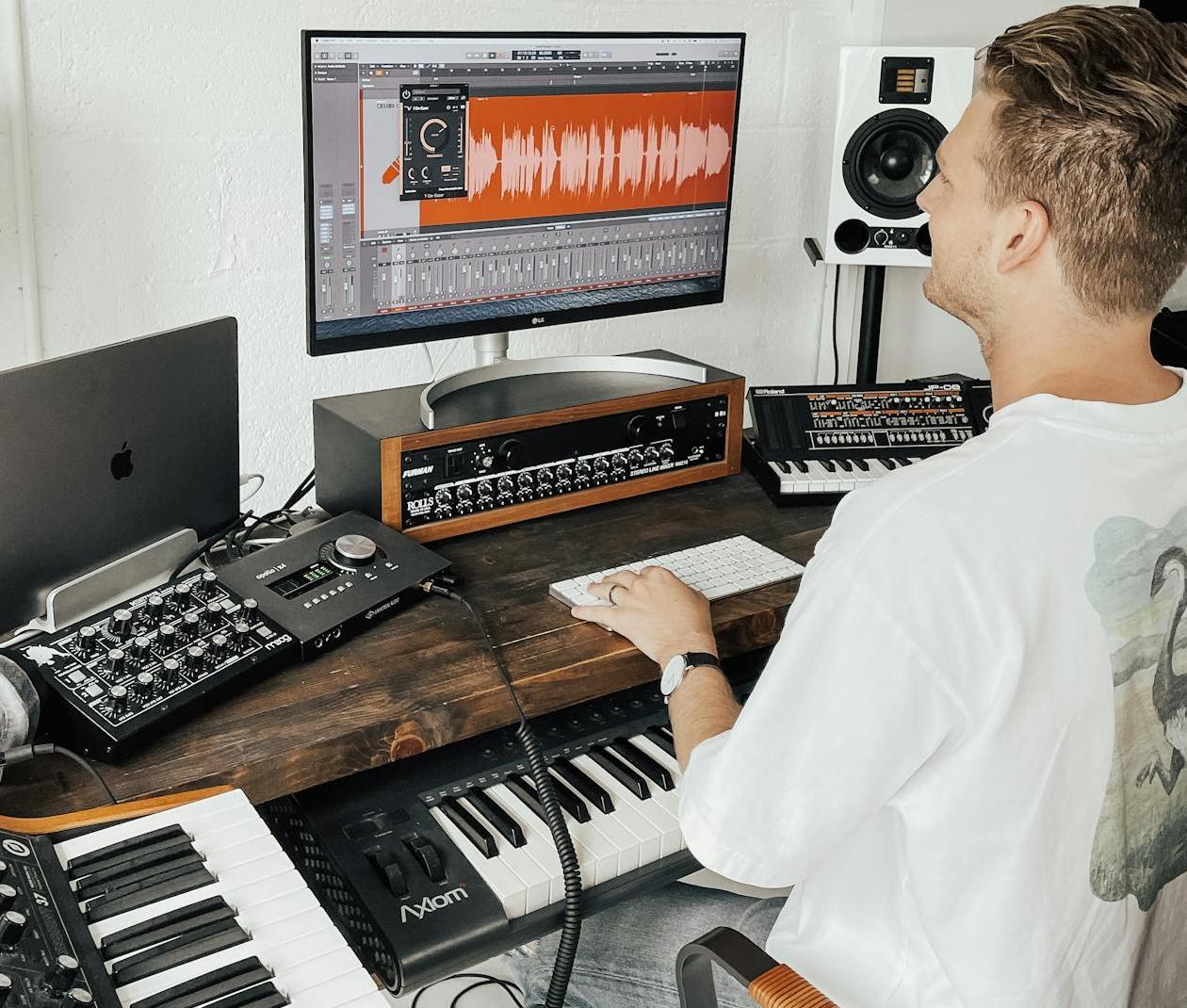
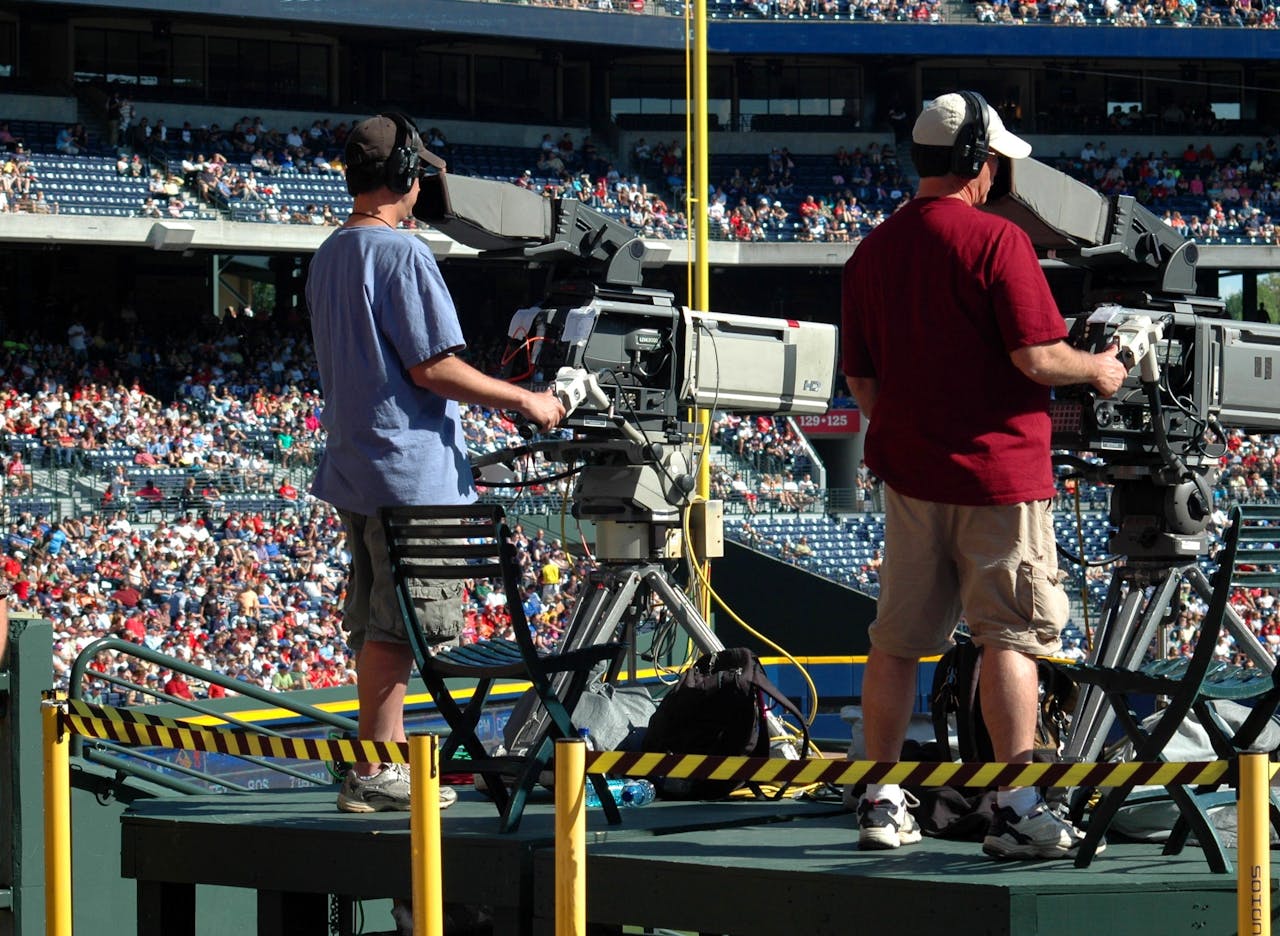
- Broadcast & Digital Journalism – Exploring TV, radio, and online media production.
- Media Ethics & Law – Understanding legal and ethical issues in journalism.
- Public Relations & Corporate Communication – Managing an organization’s public image and crisis communication.
- Social Media & Digital Storytelling – Utilizing modern platforms for content creation and audience engagement.
- Investigative Journalism – Learning in-depth research techniques for uncovering important stories.
Many programs emphasize hands-on experience through internships, media projects, and collaborations with news organizations, ensuring that students develop practical skills in real-world settings.
Program Code: EN200
Program Type: Undergraduate
Study Mode: Full-time, Online
Accreditation: Bachelor of Arts
Department: Department of English Studies
School: School of Arts & Sciences
Program Location: New York, Seattle
Program Duration: 3 Years
Starting Dates: September 1, 2025
Request InformationCareer Options
Graduates with a degree in Journalism and Communication can pursue various careers in media, corporate communication, and digital content industries. Common roles include:
Journalism Careers:
- News Reporter – Covering current events for newspapers, online media, radio, or TV.
- Investigative Journalist – Conducting in-depth research and reporting on critical issues.
- Broadcast Journalist – Delivering news through television, radio, and online platforms.
- Photojournalist – Telling stories through compelling photography.
- Editor – Overseeing content production and refining articles for publication.
Communication & Media Careers:
- Public Relations Specialist – Managing a company’s public image and media relations.
- Corporate Communications Manager – Handling internal and external messaging for organizations.
- Social Media Manager – Creating and curating content for digital platforms.
- Content Creator / Blogger – Producing engaging articles, videos, or podcasts for digital audiences.
- Media Strategist – Developing marketing and communication campaigns for brands.
Other Career Paths:
- Speechwriter – Crafting speeches for politicians, executives, and public figures.
- Crisis Communication Specialist – Managing messaging during public relations crises.
- Multimedia Producer – Creating audio-visual content for news or corporate platforms.
As media continues to evolve, journalism and communication professionals are in demand across traditional media, digital platforms, government, and corporate sectors.
Entry Requirements
Undergraduate (Bachelor’s Degree in Journalism & Communication)
- Educational Qualifications: High school diploma or equivalent.
- Minimum GPA: Some institutions may require a specific GPA threshold.
- Standardized Tests: SAT/ACT scores may be required.
- Writing Samples or Portfolio: Some programs may request writing or media samples.
- Personal Statement: Explaining interest in journalism and communication.
- Letters of Recommendation: Typically from teachers or mentors.
Postgraduate (Master’s Degree in Journalism & Communication)
- Bachelor’s Degree: In journalism, communication, media studies, or a related field.
- Work Experience: Some programs may prefer applicants with journalism or media experience.
- Portfolio: A collection of published work or media projects.
- Statement of Purpose: Outlining career goals and reasons for pursuing the degree.
- References: Academic or professional recommendations.
Tuition Fees
Annual Tuition & Other Fees
| Estimated Costs | Resident | Non-resident |
| Annual tuition and mandatory fees* | $9,162 | $28,348 |
| On-campus residence hall room, cable and phone | $6,152 | $6,152 |
| Meal plan (Average) | $3,975 | $3,975 |
| Books and supplies** | $1,130 | $1,130 |
| Local transportation and incidental costs** | $3,162 | $3,162 |
| Total | $23,581 | $42,767 |