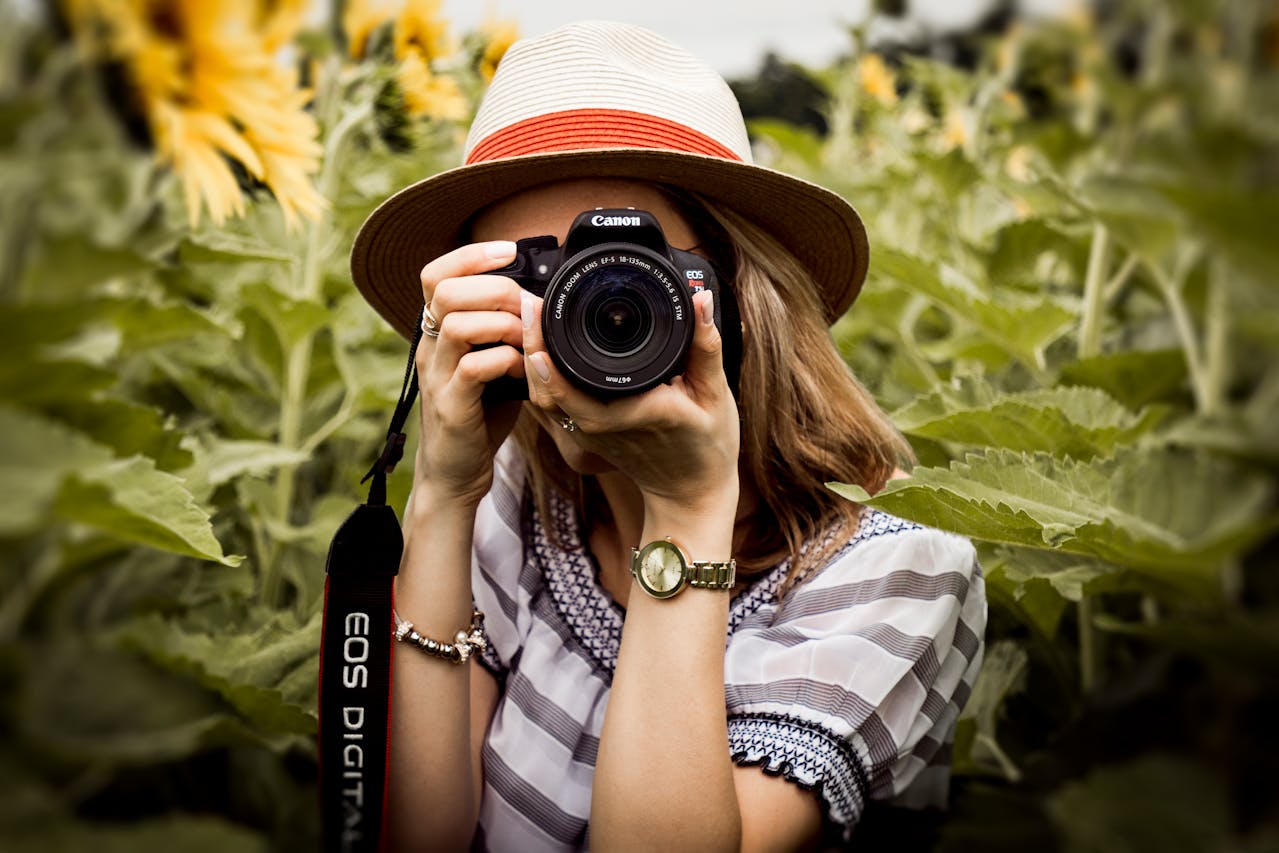
Program Overview
The Photography degree equips students with the technical skills, artistic vision, and business knowledge necessary for a career in the creative and commercial photography industries. The program blends practical training with theoretical studies, covering traditional film photography, digital imaging, visual storytelling, and post-production techniques.
Key areas of study typically include:
- Camera Techniques & Composition – Understanding lighting, framing, and exposure.
- Digital & Film Photography – Mastering both modern and traditional photographic methods.
- Photo Editing & Post-Production – Using software like Adobe Photoshop and Lightroom.
- Visual Storytelling & Photojournalism – Creating compelling narratives through imagery.
- Commercial & Editorial Photography – Learning techniques for fashion, advertising, and magazine photography.
- Fine Art & Experimental Photography – Exploring conceptual and creative photography.
- Business & Marketing for Photographers – Developing entrepreneurial and branding skills.
Program Code: AR 207
Program Type: Undergraduate
Study Mode: Part-time
Accreditation: Bachelor of Arts
Department: Department of Art
School: School of Arts & Sciences
Program Location: Austin, Chicago
Program Duration: 2 Years
Starting Dates: February 20, 2025
Request InformationCareer Options
Graduates with a Photography degree can pursue a variety of creative and commercial careers, such as:
Commercial & Editorial Photography
- Fashion Photographer – Shooting for fashion magazines, brands, and designers.
- Advertising Photographer – Creating images for marketing campaigns and brands.
- Product Photographer – Specializing in e-commerce, food, and commercial photography.
- Portrait & Wedding Photographer – Running an independent photography business.
Journalism & Documentary Photography
- Photojournalist – Covering news, events, and human-interest stories.
- Documentary Photographer – Capturing real-life stories for media and NGOs.
Creative & Fine Art Photography
- Fine Art Photographer – Producing conceptual or gallery-exhibited photography.
- Editorial Photographer – Contributing to magazines, blogs, and print media.
Specialized & Emerging Photography Fields
- Sports Photographer – Covering live sports events.
- Wildlife & Nature Photographer – Documenting landscapes and animals.
- Forensic Photographer – Working with law enforcement to document crime scenes.
- Aerial & Drone Photographer – Capturing landscapes and architecture from above.
Other Photography-Related Careers
- Retoucher & Photo Editor – Enhancing and editing images for media and advertising.
- Art Director – Overseeing visual storytelling for brands and publications.
- Photography Educator – Teaching at schools, universities, or workshops.
Many photographers work freelance, start their own studios, or collaborate with media and advertising agencies.
Entry Requirements
Undergraduate (Bachelor’s Degree in Photography)
- Educational Qualifications: High school diploma or equivalent.
- Minimum GPA: Varies by institution.
- Portfolio: A selection of original photographs showcasing creativity and technical skills.
- Personal Statement: Explaining interest in photography and career aspirations.
- Letters of Recommendation: Typically from teachers or mentors.
Postgraduate (Master’s Degree in Photography)
- Bachelor’s Degree: In photography, fine arts, media, or a related field.
- Portfolio: A professional-level body of work demonstrating artistic and technical ability.
- Personal Statement: Outlining artistic goals and research interests.
- References: Academic or professional recommendations.
Tuition Fees
Annual Tuition & Other Fees
| Estimated Costs | Resident | Non-resident |
| Annual tuition and mandatory fees* | $9,162 | $28,348 |
| On-campus residence hall room, cable and phone | $6,152 | $6,152 |
| Meal plan (Average) | $3,975 | $3,975 |
| Books and supplies** | $1,130 | $1,130 |
| Local transportation and incidental costs** | $3,162 | $3,162 |
| Total | $23,581 | $42,767 |